
Direct Answer / Quick Summary
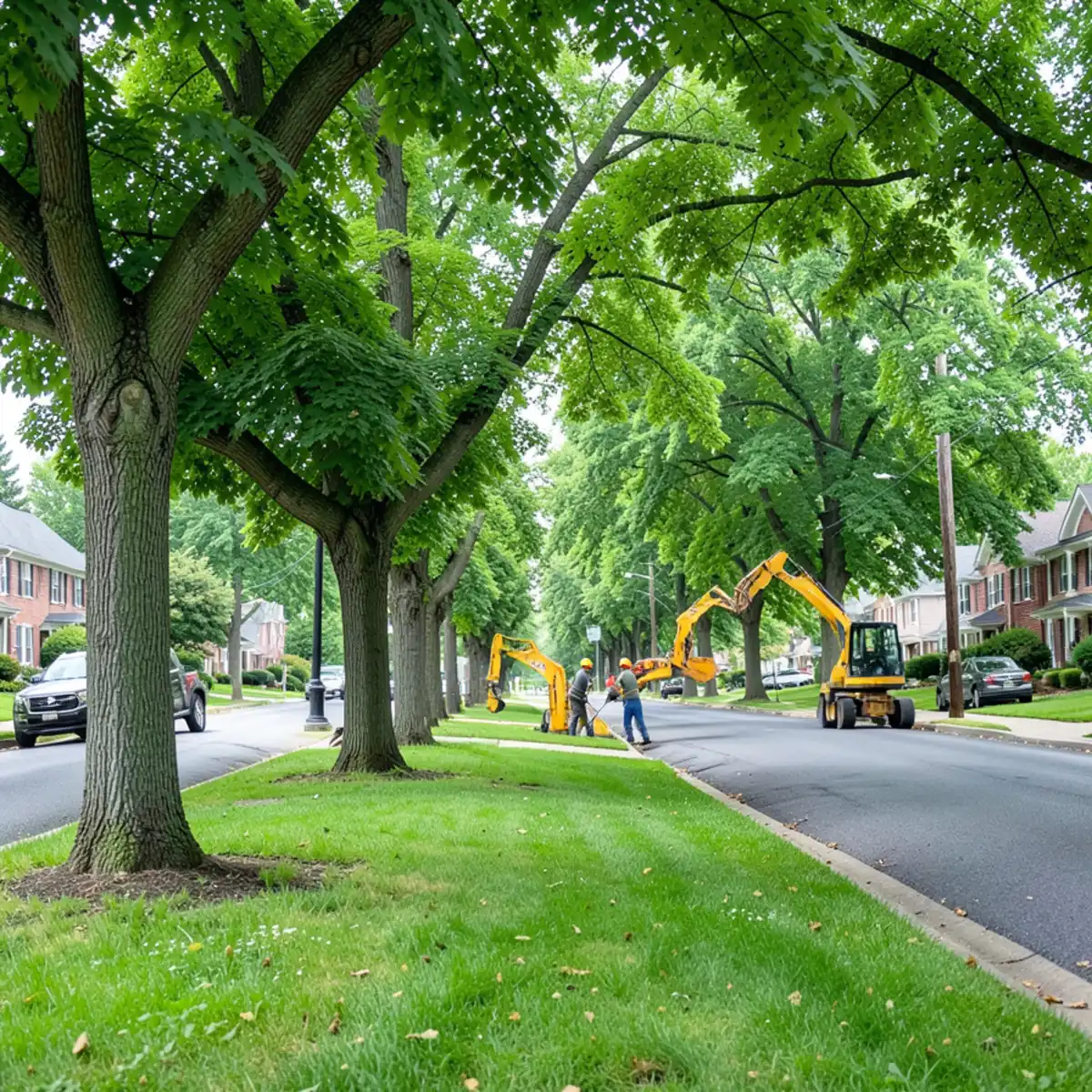
In Lansing and East Lansing, homeowners cannot legally cut down or prune curbside trees planted between the sidewalk and street without municipal permits. These trees belong to the public right-of-way under Lansing Code §688.01 and East Lansing DPW rules. Learn who has jurisdiction, permit steps, and utility line boundaries.
The Curbside Misconception: Who Owns Boulevard Trees?
One of the most frequent legal misunderstandings among homeowners in Lansing and East Lansing concerns the ownership of curbside trees. Homeowners regularly maintain the grass in the parkway strip between the concrete sidewalk and the road curb, leading many to believe they own everything growing within that strip.
Legally, that strip of land is part of the public highway or street right-of-way. In both Lansing and East Lansing, trees rooted within the public easement are legally classified as municipal street trees. Property owners cannot unilaterally prune, top, or cut down these trees without violating municipal codes.
Dealing with a Hazardous Tree in Lansing?
Call Total Tree Maintenance directly at (321) 677-9055 for immediate guidance and scheduled on-site estimates.
Lansing Hub
3105 S MLK Jr Blvd
Transparent Pricing
Free Itemized Written Scope
Safety First
ANSI Z133 & MISS DIG 811
Storm Ready
Fast Local Crew Dispatch
City of Lansing: Understanding Code §688.01 & City Forester Permits
In the City of Lansing, public trees are governed under Chapter 688 of the Lansing Codified Ordinances. The legal standard is explicit:
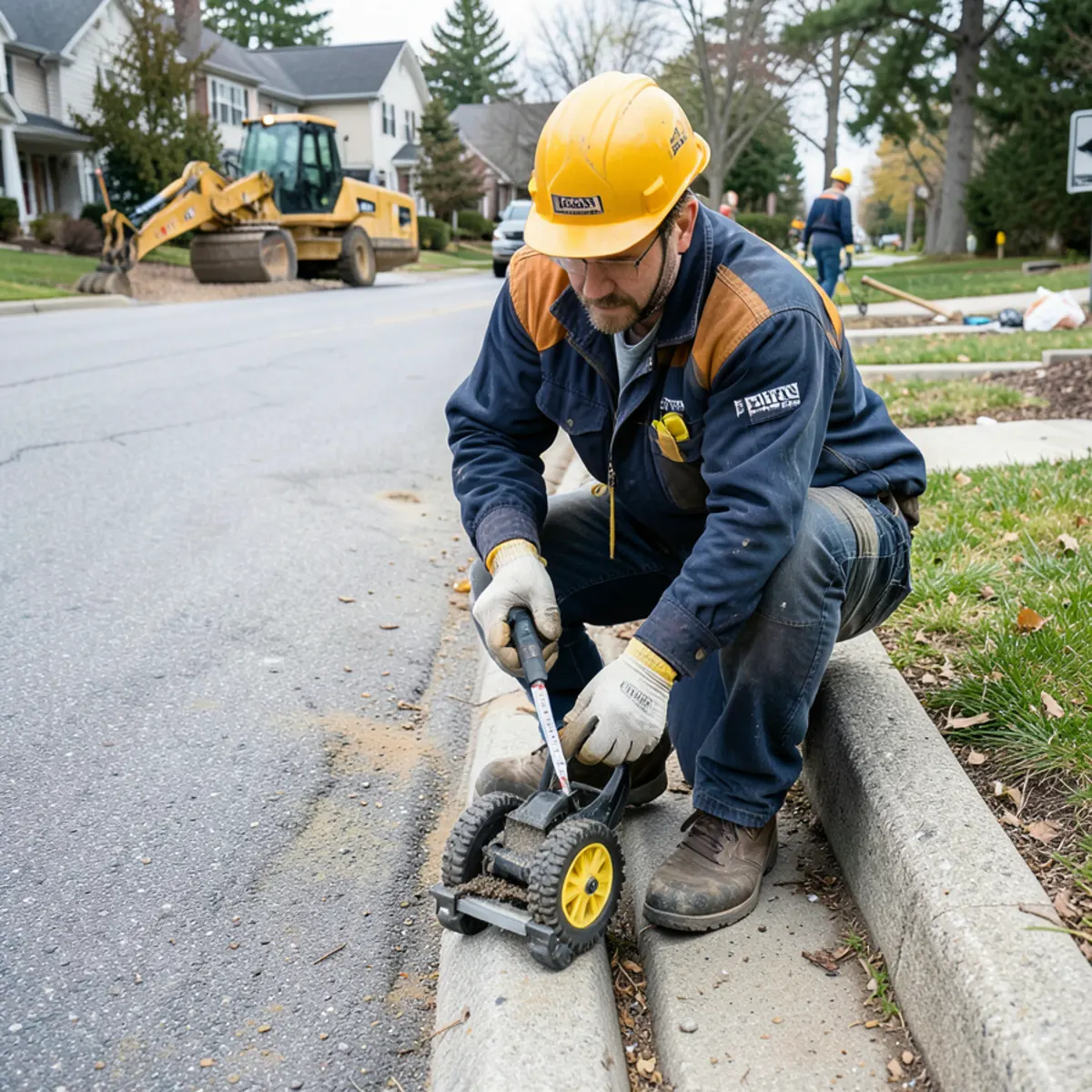
Under Lansing Code §688.01, no person may cut, trim, prune, remove, or plant any tree or shrub in any public street, park, boulevard, or highway without first obtaining a written permit from the Lansing City Forester (Forestry Division of the Department of Public Service).
Furthermore, Section 688.05 designates the unauthorized removal, mutilation, or trimming of a public street tree as a municipal civil infraction (amended under Ordinance No. 1286). Penalties include substantial civil fines and mandatory restitution costs to replace the public tree canopy.
| Tree Location | Governing Jurisdiction | Permit Requirement in Lansing | Who Performs Work |
|---|---|---|---|
| Between Sidewalk and Street Curb | Public Street Right-of-Way (City of Lansing) | Mandatory written permit from Lansing Forestry Division | City Forestry crews or licensed private tree service with permit |
| Private Front or Backyard (Behind Sidewalk) | Private Residential Property | No municipal forestry permit required for standard residential lots | Property owner's chosen professional tree contractor |
| Within 10 Feet of High-Voltage Power Lines | Lansing Board of Water & Light (BWL) / OSHA Safety Zone | Utility coordination required; line clearance arborist | BWL line crews or utility-qualified arborist |
City of East Lansing: Separate Municipal Tree Rules
Homeowners living across the municipal boundary in East Lansing must navigate a separate municipal code. The City of East Lansing places a strong emphasis on urban forestry and canopy preservation.
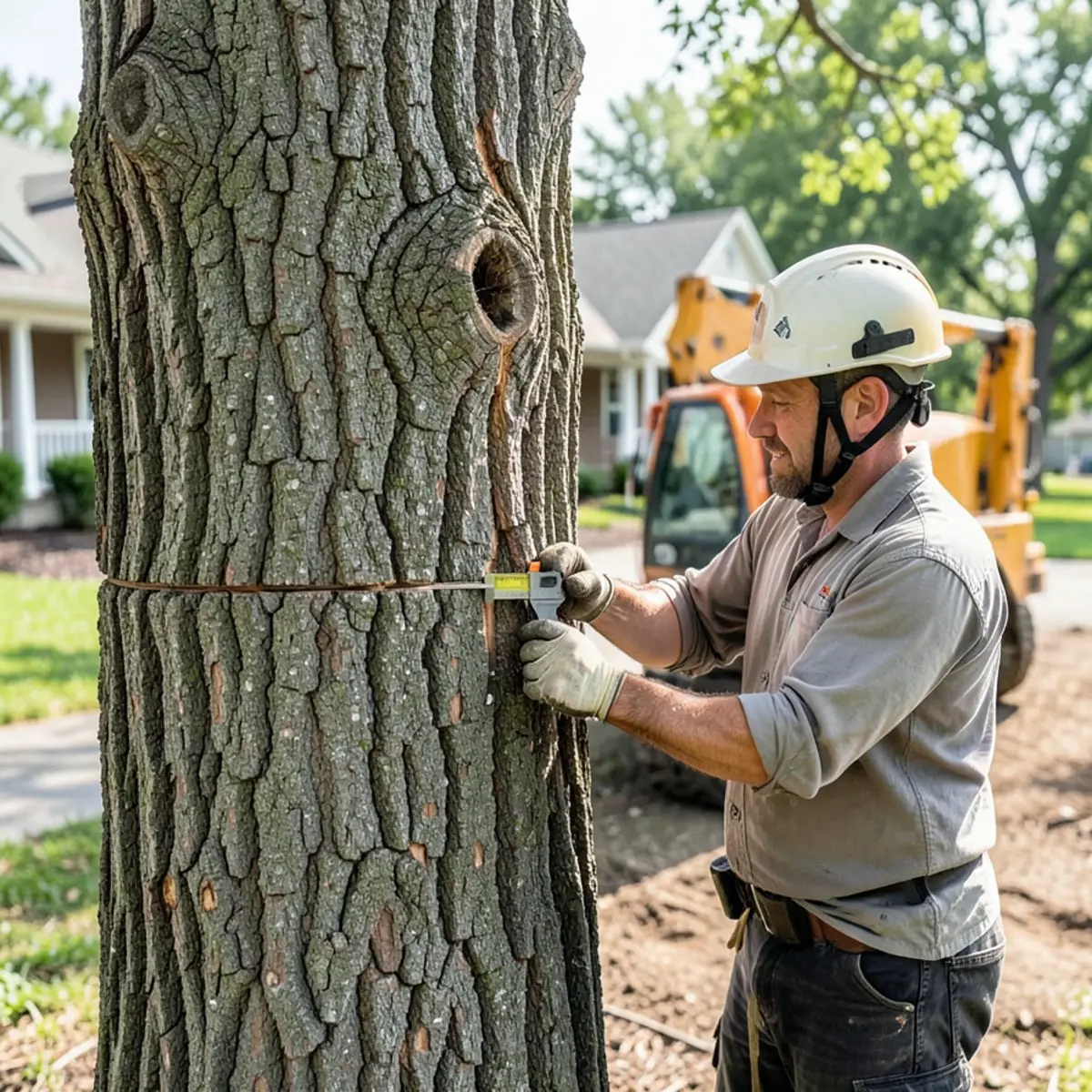
Under East Lansing City Code, a city-engineer permit is required prior to the removal or significant disturbance of any tree measuring 4 inches in diameter (caliper) or larger located in public rights-of-way, public easements, or designated development sites. In East Lansing, trees planted in the street easement are managed by the Department of Public Works. Never hire a contractor to cut a curbside tree in East Lansing without verifying DPW authorization.
Expert Insight: Right-of-Way Surveying & Sidewalk Heaving Liability
A frequent gray area occurs when residential streets lack concrete sidewalks—as in many parts of Lansing Township, Delta Township, and rural Ingham County subdivisions. Homeowners often ask: Where does the public road easement end and private property begin?
Determining Property Easement Lines: Road right-of-ways in Mid-Michigan are typically established by platted width, often extending 30 to 33 feet from the center line of the street asphalt. An arborist examining a doubtful property line will cross-reference Ingham County GIS parcel boundary monuments before cutting. If the trunk flare crosses the boundary line, it is deemed a boundary tree requiring dual authorization.
The Sidewalk Heaving Dilemma: Mature silver maple and oak roots frequently heave concrete sidewalk panels, creating trip hazards. Homeowners facing municipal sidewalk repair notices often assume they can simply chop through the offending root. Severing major structural buttress roots over 2 inches in diameter within 5 feet of the trunk destroys the tree's anchoring leverage, turning an otherwise stable shade tree into a catastrophic blowdown hazard during the next windstorm. We work with property owners to evaluate alternative solutions, such as ramping concrete or installing flexible pavers, before radical root pruning is considered.
Utility Line Clearance: Lansing Board of Water & Light (BWL) Boundaries
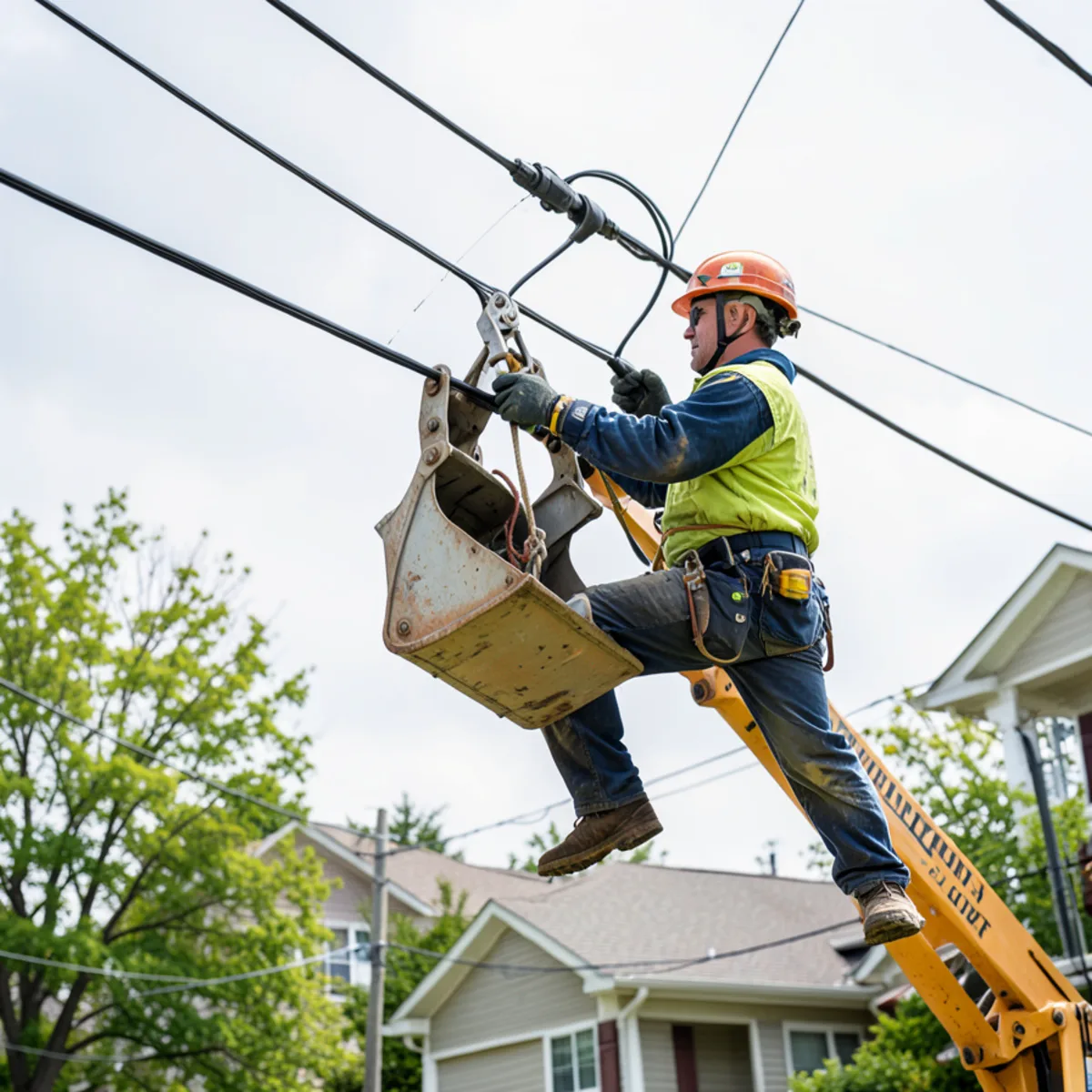
Overhead power lines add another layer of regulatory oversight. The Lansing Board of Water & Light (BWL) provides electric service across Lansing, East Lansing, and parts of DeWitt and Delta townships. BWL operates a systematic five-year cyclical tree-trimming program to maintain clearance around high-voltage distribution circuits.
Under OSHA 29 CFR 1910.333, uncertified tree workers must maintain a minimum 10-foot boundary from energized primary lines. If a curbside tree or private backyard tree has branches touching primary electric wires, do not attempt to trim it yourself. Contact BWL to inspect the line; utility crews will either prune the clearance envelope or de-energize the circuit so private tree contractors can work safely.
For low-voltage secondary service drops (the line leading from the utility pole to your home's electrical weatherhead), BWL generally does not perform pruning unless branches exert direct mechanical tension or abrasion on the wire. Total Tree Maintenance coordinates with BWL to disconnect service temporarily when difficult trees require felling near residential service drops.
How to Proceed If You Have a Hazardous Street Tree
If a tree between your sidewalk and curb in Lansing appears dead, hollow, or hazardous, follow these three steps:
- 1. Report the Tree to Lansing Forestry: Contact the Lansing Forestry Division to request an official municipal arborist inspection.
- 2. Apply for a Removal Permit: If the city authorizes removal but schedules it behind higher-priority city work, ask for a permit allowing your private tree service to perform the takedown.
- 3. Hire a Professional Crew: Total Tree Maintenance can assist you in verifying permit paperwork, coordinating drop zones, and completing the takedown according to ANSI Z133 standards.
Frequently Asked Questions
Frequently Asked Questions
Clear answers regarding local Lansing permit rules, tree removal costs, and emergency response.
Yes. Under Lansing Code §688.05, cutting down or damaging a tree in the public right-of-way without a City Forester permit is a municipal civil infraction carrying financial penalties and restitution costs.
Field operations crew based at 3105 S Martin Luther King Jr Blvd, Ste B, Lansing, MI. Specialists in hazardous tree removals, emergency storm recovery, ANSI A300 pruning protocols, and municipal tree codes throughout Ingham, Eaton, and Clinton counties.
Related Tree Services & Areas
Have Questions About Your Trees?
Our Lansing-based team provides honest evaluations and free on-site estimates. Call (321) 677-9055 today.
Lansing Hub
3105 S MLK Jr Blvd
Transparent Pricing
Free Itemized Written Scope
Safety First
ANSI Z133 & MISS DIG 811
Storm Ready
Fast Local Crew Dispatch